
Solar battery packs have become essential tools for outdoor enthusiasts, remote workers, and anyone who relies on portable power. Whether you are camping, hiking, or facing a power outage, understanding how long it takes to fully charge your solar battery pack is crucial. The charging time can vary widely depending on several factors, including the battery’s size, the solar panel’s output, and environmental conditions. Many people assume that plugging in a solar battery pack guarantees a quick charge, but solar energy is not as predictable as plugging into a wall outlet. Factors such as sunlight intensity, panel efficiency, and the battery’s capacity all play a role in determining how fast your battery can store energy. Knowing these factors can help you plan your trips better, avoid running out of power unexpectedly, and make the most of your solar charging setup. This article breaks down the main elements affecting charging time, explains typical charging durations for different battery sizes, and offers practical tips to speed up the process. By understanding these factors, you can maximize the efficiency of your solar battery pack and ensure reliable power when you need it most.
What Determines Solar Battery Charging Time?
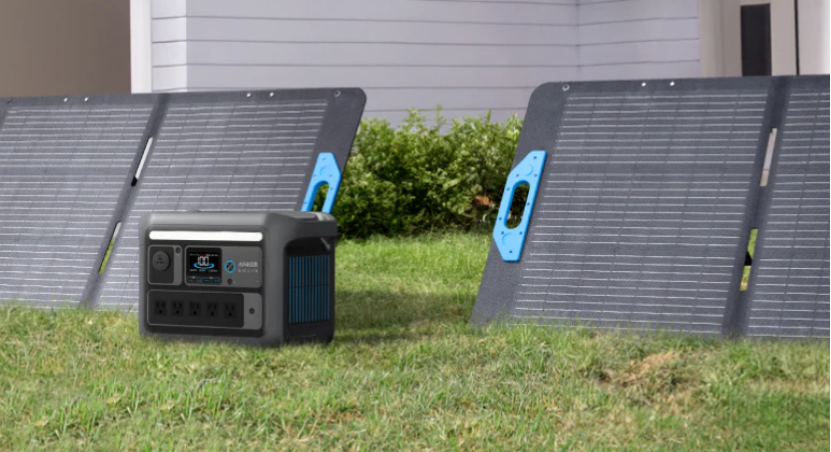
The time it takes to fully charge a solar battery pack depends on several key factors. Understanding each one can help you predict charging times and optimize your setup.
Battery Capacity and Type
Battery capacity is measured in milliampere-hours (mAh) or watt-hours (Wh). Larger batteries store more energy, which means they naturally take longer to charge. For example, a small 10,000 mAh battery may charge in a few hours under ideal sunlight, whereas a 100,000 mAh battery could take an entire day or more. Additionally, the battery type affects charging speed. Lithium-ion batteries, commonly used in solar packs, charge faster and are more efficient than older lead-acid batteries. Knowing your battery’s capacity and type is the first step in estimating charging time accurately.
Solar Panel Wattage and Efficiency
Solar panels come in different wattages, usually ranging from 5W for compact chargers to 200W or more for larger portable panels. Higher wattage panels deliver more power, reducing charging time. Efficiency is another critical factor—some panels convert sunlight into electricity better than others. Panels with poor efficiency or panels that are not optimally aligned with the sun will take longer to charge the same battery. For example, a 50W efficient panel might fully charge a small battery in 4–6 hours, while a less efficient panel could take double that time.
Sunlight Availability and Weather Conditions
Even the best battery and panel combination cannot overcome poor sunlight conditions. Overcast skies, heavy rain, or partial shade can drastically increase charging times. Solar panels perform best under direct sunlight with minimal obstruction. Geographic location and the time of year also affect sunlight intensity. For instance, charging will be slower during winter or in regions farther from the equator. To get a reliable charge, always position your solar panels in full sun whenever possible, and check weather forecasts to plan your charging schedule.
How Long Does It Typically Take to Charge?
Charging time varies depending on the size of the solar powered battery pack and the solar panel used. Here’s a breakdown of typical charging times for different battery sizes.
Small Portable Solar Battery Packs
Small batteries, usually 5,000–20,000 mAh, are designed for quick, on-the-go charging. Under ideal sunlight with a compatible panel, these batteries can fully charge in 2–6 hours. These compact packs are perfect for charging phones, small gadgets, or emergency lights. Keep in mind that partial shading or lower panel wattage will increase charging time, sometimes doubling it.
Medium-Sized Solar Power Banks
Medium-sized batteries, ranging from 20,000–50,000 mAh, take longer to charge. Using a 50–100W solar panel, full charging usually takes 6–12 hours of direct sunlight. These batteries are suitable for extended outdoor trips or powering multiple devices at once. Efficiency can be improved by placing the panel in direct sunlight, adjusting the angle throughout the day, and minimizing energy use while charging.
Large Solar Battery Systems
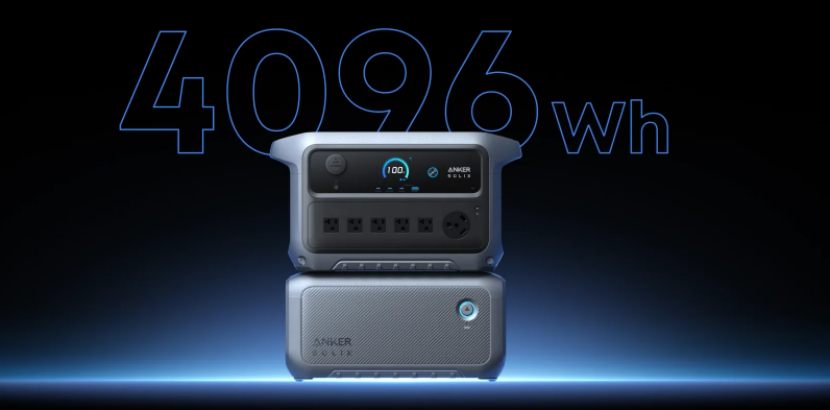
Large batteries over 50,000 mAh, or those used in solar generators, require more power and time. Even with a high-wattage panel, charging may take 12–24 hours, or several days if sunlight is inconsistent. These systems are ideal for campers, RVs, or emergency backup power. Because large batteries take longer to charge, planning ahead and using multiple panels or higher wattage options can save time and ensure your devices remain powered.
Can You Speed Up Solar Battery Charging?
Charging time can be reduced with a few practical strategies.
Optimize Solar Panel Placement
Proper placement of your solar panel is one of the easiest ways to increase charging speed. Panels should face direct sunlight and be tilted according to your location and season. Avoid placing them under trees, tents, or other objects that create shade. Even a small shadow can significantly reduce charging efficiency. Regularly cleaning your panels to remove dust, dirt, or snow also helps maintain optimal energy absorption.
Use Higher Wattage Panels
Switching to a higher wattage solar panel is a direct way to charge faster. Doubling the wattage can nearly halve the charging time, provided the battery can handle the input safely. For large batteries, combining multiple panels in parallel or using portable foldable panels with higher output can dramatically reduce the charging period.
Avoid Partial Charging Cycles
Frequent partial charging can prolong the total time it takes to reach a full charge. It’s more efficient to charge batteries fully in one session whenever possible. Avoid using the battery while it’s charging unless absolutely necessary, as this slows down the overall charge. Some solar chargers and battery packs allow pass-through charging, but it may reduce efficiency, so plan your usage to allow uninterrupted charging when sunlight is available.
Conclusion
The time it takes to fully charge a solar battery pack depends on several interrelated factors: battery capacity, panel wattage, sunlight availability, and environmental conditions. Small portable batteries can charge in a few hours, medium-sized packs take most of the day, and large solar battery systems may require a full day or more. Understanding these factors allows you to plan your solar charging strategy effectively. Optimizing panel placement, using higher wattage panels, and avoiding partial charges can speed up the process. Regular maintenance, like cleaning your panels and ensuring proper panel-to-battery matching, also plays a vital role. With careful planning and proper equipment, solar battery packs can provide reliable power for outdoor adventures, emergency situations, or remote work. By knowing how long it takes to charge your battery and what affects charging time, you can maximize efficiency and enjoy the benefits of solar power without interruptions.