
Lightweight power stations make portable energy convenient, but selecting the perfect one requires more than simply weight. You require a device that combines performance, safety, and usefulness in a compact package. Whether you’re camping, working remotely, or preparing for an emergency, specific characteristics will influence how effectively the station fulfills your everyday demands. From battery efficiency and charging speed to portability and device compatibility, every aspect counts. This article describes the important technical and practical qualities that make a significant impact when using a lightweight power station, allowing you to confidently select a model that is powerful, small, and ready to use.
What Technical Features Make the Biggest Difference?
Battery Capacity and Efficiency
The battery capacity, measured in watt-hours (Wh), indicates how long a power station can operate your gadgets. For lightweight devices, 300Wh to 600Wh is typical. Efficient lithium-ion or LiFePO₄ batteries may store more energy in smaller capacities, prolonging runtime without adding weight. Consider the actual usable capacity—some systems reserve battery space for safety, lowering total output. Also consider inverter efficiency, which influences how much power reaches your gadgets. A high-efficiency battery combined with a clever inverter provides extended performance on a single charge. If you want the finest combination of mobility and power, consider both capacity and how effectively the system distributes it.
Power Output and Device Compatibility
Output ratings specify what your power station can manage. Continuous wattage is the quantity that can be delivered on a consistent basis, whereas surge wattage is used to withstand short-term increases during starting. Most users may use a 300W-600W inverter to power phones, computers, mini-fridges, and LED lights. Ensure that the output fits the overall watt requirement of your gadgets. Choose versions with pure sine wave inverters to ensure compatibility with sensitive devices. Also, verify which ports provide full output; some systems restrict performance when numerous devices are running at the same time. Matching the watt output to your gear promotes consistent performance, protects your gadgets, and prevents overloads or shutdowns.
Fast and Versatile Charging Options
Flexible charging makes lightweight stations more convenient. Look for versions that include wall charging (AC), automobile charging (DC), and solar power. Faster charging speeds result in less downtime, especially on the move. Speed is exactly proportional to input wattage (for example, 100W vs. 300W). MPPT (Maximum Power Point Tracking) solar controllers increase efficiency while charging with sunlight. The USB-C PD input enables laptop-style charging without the use of cumbersome adapters. Some systems have multiple inputs, allowing you to mix solar and electrical power. Understand your recharging requirements and select a unit that suits your pace. The versatile input choices keep your station fueled whether you’re off-grid, commuting, or experiencing an outage.

How Do Design and Safety Impact Portability?
Compact Size and Carrying Design
Portability is determined by more than simply weight; it also refers to how readily the station can be moved and stored. Look for versions with built-in handles, small proportions, and durable materials. A flat, solid base facilitates placement in small locations such as vehicle trunks or tents. Rounded edges and sturdy exteriors protect against damage during transportation. Units weighing less than 15 pounds may be carried with one hand, and foldable handles or soft cases provide convenience. Consider the form factor; taller devices may be more difficult to transport. A smart design ensures that your power station is portable and lightweight.
Smart Displays and Easy Controls
An easy display allows you to efficiently handle your power station. Look for panels that display the battery %, input/output power, and remaining runtime. You may activate individual AC/DC connectors using simple buttons or touch controllers. Clear labeling assists in minimizing confusion, especially in low light or during an emergency. Bright backlighting or contrast options increase vision outside or at night. Some versions include companion applications for remote monitoring, which increases convenience and control. A well-designed interface lowers the learning curve, making the station more accessible to all users. Whether you’re handling power at a campground or during a storm, quick, unambiguous management is critical.
Safety Features and Battery Management Systems
Safety should never be overlooked, especially in tiny systems. Look for built-in safety features such as short circuit avoidance, overvoltage shutdown, and overheat protection. A battery management system (BMS) continuously checks battery health and regulates charging across cells. This avoids overcharging, deep discharge, and thermal runaway, all of which can harm the system or cause failures. Certifications such as UL, CE, and FCC show that the equipment satisfies industry safety requirements. Some variants have fire-resistant materials and child-safe port covers. These devices operate silently in the background but serve a significant role in long-term reliability, particularly when the unit is used frequently inside or outdoors.
Which Features Matter Most in Real-Life Use?
Outdoor and Camping Essentials
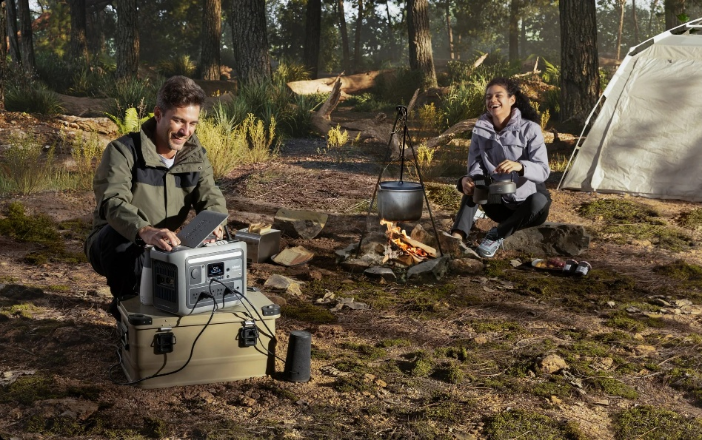
You need a power station that can withstand bad weather, uneven ground, and extended periods of time spent away from outlets when you’re outside. Renewable charging for lights, GPS, phones, and cameras is possible with small solar-powered devices. Silent operation protects the environment, and robust casings withstand light rain and dust. A 300–500Wh station is generally enough for weekend travels. Easy setup and transportation are made possible by the long-lasting battery life, straightforward controls, and lightweight construction. Pair it with a folding solar panel for ongoing usage. Whether you’re car camping or deep in the backcountry, real-world reliability and ease of use are what are actually important.
Travel, Events, and Remote Work
Lightweight power stations provide reliable electricity to travelers and distant workers in areas where outlets are few. Use them to charge laptops, power Wi-Fi routers, or power camera equipment during shoots or live events. Quiet operation enables uninterrupted usage in cafés, coworking spaces, and Airbnb rentals. Look for small, airline-friendly ones that have USB-C PD for quicker laptop charging. If you’re hosting outdoor events, these stations help power sound systems, lighting, or portable projectors—just be sure to match your equipment’s watt and horsepower requirements to the unit’s output.
Emergency Backup at Home
During a power outage, even a small station can keep vital equipment operational. A 500Wh unit may be used to power LED lights, charge phones, run a router, or operate a small fan or radio. Unlike gas generators, these stations are safe indoors, silent, and devoid of fumes. Use one to stay connected during storms or outages. Keep it charged and placed in an easily accessible location. Solar power enables sustained operation during lengthy outages. For apartment residents or those living in limited quarters, a compact power station gives peace of mind without taking up much space. It’s a simple, smart backup for daily crises.
Conclusion
A lightweight power station is only as helpful as its design, specifications, and in-use performance. To meet your requirements, consider crucial elements such as battery capacity, power, and charging alternatives. Then consider build quality, safety features, and usefulness to ensure it matches your lifestyle. Whether you’re off-grid, on the road, or at home during an outage, the proper power station provides dependable electricity without bulk. Small does not imply weakness; rather, it indicates intelligence. With the appropriate balance of mobility and performance, you’ll be able to keep charged wherever life takes you, without the noise, fuel, or weight of traditional power sources.